Disconnect Wardogs Guide
Why Your Wardogs Aimbot Is Not Working
If your Wardogs aimbot is not working, start by identifying the symptom. No target selection, unexpected crosshair movement and a missed shot are different problems. Check the active aiming mode and current product status first, then review the conditions a player must meet before the aimbot selects them. DisconnectCheats keeps the product’s aiming and visual features separate.
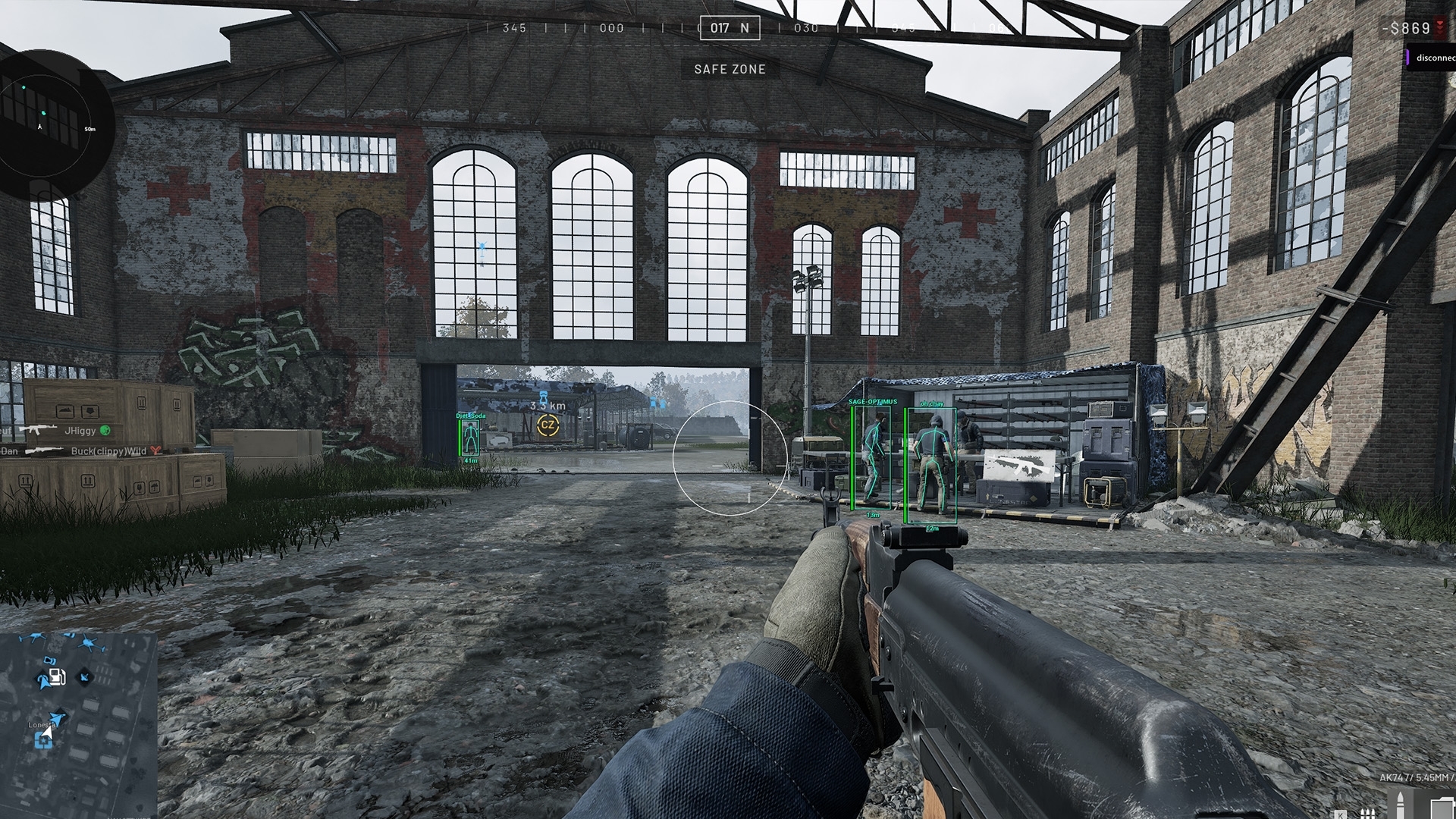
An ESP box does not prove that a player meets the aimbot’s FOV, distance or visibility conditions. Review one condition at a time and keep the current config available before importing another. Report the exact symptom if the checks do not explain it.
Find whether aimbot selection or tracking fails
Wardogs aimbot not locking describes a different symptom from Wardogs aimbot not tracking smoothly. In the first case, you need to establish whether a target is selected. In the second, a target may already be selected but movement is different from what you expected.
Note what the crosshair and Target Line do, where available. Also note whether the problem affects every opponent or only players at a particular distance or behind cover. That narrows the checks more effectively than replacing the entire config immediately.
See the Wardogs cheats guide for the full aimbot, ESP and radar feature overview.
Check aimbot activation and the active mode
Review Wardogs aimbot activation in the current menu and access instructions. Do not assume a keybind from another cheat applies. Confirm which aiming mode is enabled before expecting visible crosshair movement. Contact DisconnectCheats if you need help with the particular Wardogs product.
Silent Aimbot and Instant Aim are separate named features. Silent aim may not show the ordinary movement you were expecting to watch. Identify the active feature before calling the absence of ordinary tracking a failure.
Check aiming FOV before changing smoothing
Wardogs aimbot FOV restricts the area used for target selection.
An opponent on screen can still fall outside that area. The FOV Circle gives you a visual reference, but a player inside it may still fail another condition.
Increasing Wardogs aimbot smoothing does not solve a target falling outside the selection area. Smoothing affects movement after selection; it does not necessarily make that player eligible. Establish selection before judging how quickly the aim follows.
Check target range and visibility
Maximum aim distance limits range across the battlefield. A distant enemy can sit directly near the crosshair and still exceed that limit. Keep this separate from the distance at which Player ESP is drawn.
Visible Check concerns the product’s visibility test. An ESP box behind cover does not prove the Wardogs aimbot should select that opponent.
If the symptom occurs only around cover, note that pattern before changing unrelated movement controls.
Read target bones and Lock Target
Head targeting, chest targeting and pelvis targeting choose different body points.
A player partly exposed behind an obstacle can present different visibility at each point. Record the active bone when describing the selection problem.
Lock Target affects target retention. If aim stays with a player while you expect it to switch, inspect the active lock behaviour before assuming the cheat has stopped working. Retention and initial selection are separate questions.
Check ordinary aim movement and prediction separately
Aimbot smoothing, aimbot deadzone and aimbot prediction can affect different parts of the result.
Smoothing concerns ordinary movement, while prediction addresses target motion. The product names deadzone but does not publish a universal scale conversion for it.
Change one control at a time and keep its earlier value. Avoid treating a missed shot as proof that prediction failed or that a particular percentage is wrong. Cover, target movement and the Wardogs aimbot body point can all contribute to what happened.
Return to a known cheat config before reporting the fault
If the problem began after using Import Config, review the active values against your earlier export. A shared config can change aiming mode and target conditions as well as movement. Return to a known reference before making further changes.
If the symptom remains, send support the current product status, active aiming mode, relevant values and a clear description of when it happens. Keep subscription keys private. The main Wardogs cheats page and our existing aimbot guide provide the broader feature context.
Read the aimbot symptom before changing the whole config
No crosshair movement, movement towards the wrong body point and movement that trails an opponent are different symptoms. Start with what you can actually see. If nothing is selected, ordinary movement controls are not the first explanation. If the correct opponent is selected but the transition looks different, selection may already be working.
Watch whether the symptom affects one opponent or every eligible player. A problem that appears only at long range points towards a different condition from one that begins whenever a player crosses behind cover. Keeping that observation specific narrows the useful checks without pretending to diagnose an undocumented algorithm.
An on-screen outline belongs to the visual group. It can identify a player while the aim group excludes that same person. The two displays do not have to share every condition. Treat a visible outline as information about the player, then examine the active Wardogs aimbot choices for selection and movement.
Keep the configuration that produced the symptom available. Replacing it immediately can remove the conditions you were trying to understand. You may end up with a different result without learning whether a changed body point, distance or activation choice caused it.
Separate target choice from ordinary aiming movement
A player near the edge of the screen can be visible without falling inside the configured selection area. Bringing your own aim nearer to the person changes that relationship. It does not change the person's world distance or remove an obstruction. Those are separate conditions that deserve separate observations.
The Wardogs aimbot body-point choice matters when only part of a player is exposed. Seeing shoulders does not establish that a lower selected point is exposed. Keep that distinction attached to your description of the scene rather than assuming that any visible part of a player proves a valid aim point.
Once the right person and body point are selected, look at the Wardogs aimbot movement you expected. Smoothing concerns the visible transition of ordinary aim, while prediction concerns the point used for a moving opponent. A missed shot alone does not tell you which of those needs attention. Describe the crosshair response as well as the shot outcome.
A sudden change in the opponent's direction can alter the situation between selection and impact. Do not turn a single missed shot into a promise that another percentage would have hit. The useful question is whether the selected point and movement match the active controls over the sequence you observed.
Return to a known Wardogs aiming reference
If the fault began after an import, compare the active mode and targeting values with your previous export. A file can change several groups even when its name mentions only one. Restore the earlier reference when you need the whole earlier configuration back, then decide which new choices you actually want to keep.
When reporting the result, say whether the menu opens, whether a target reference appears and what the crosshair does. Include the product name and the point in the sequence where the result differs from your expectation. Those facts are more useful than calling the whole aim feature weak or broken.
A short clip can help show a transition or an unexpected switch between players. Keep private account and subscription details out of it. Explain which player or movement the clip is meant to show so the recipient does not have to guess from a crowded screen.
After resolving the problem, preserve a new export under a recognisable name. You then have a reference for the actual aiming response you want, separate from files that deliberately use different visual or camera choices. That makes a future change easier to trace.
Compare the same aiming situation before and after a change
Keep the observation comparable. If one clip shows a nearby exposed player and another shows a distant player behind cover, the difference is not explained solely by a changed movement value. Describe the target's position and the active mode so you do not turn two different situations into a misleading configuration comparison.
A reference is most useful when it preserves the response you can recognise. Save it after resolving the symptom, then keep later experiments separate. That makes the next troubleshooting question about a specific new change instead of another complete replacement of every aiming and visual choice.
Questions about Wardogs aimbot problems
Why is my Wardogs aimbot not working when ESP shows a player?
The player may fail an aimbot FOV, distance, visibility or other targeting condition even while ESP draws them.
Should I increase smoothing when no target is selected?
Establish selection first. Smoothing changes ordinary aiming movement and is not a substitute for checking target eligibility.
Can an imported config change the aiming mode?
Review the active mode and values after import rather than assuming the file changes only one feature.
What should I send support?
Describe the symptom, active aiming mode, relevant controls and when the problem occurs. Do not share subscription keys or account credentials.
Related Wardogs cheat guides
How to Save and Share Wardogs Cheat Configs
Wardogs External product and access periods · Current Wardogs cheat status